

I Hate Branding. Unfortunately, It Matters.
A reluctant guide for Salesforce learners who'd rather build Flows than personal brands
By Jeremy Carmona, 13x Salesforce Certified Architect & Founder of Clear Concise Consulting
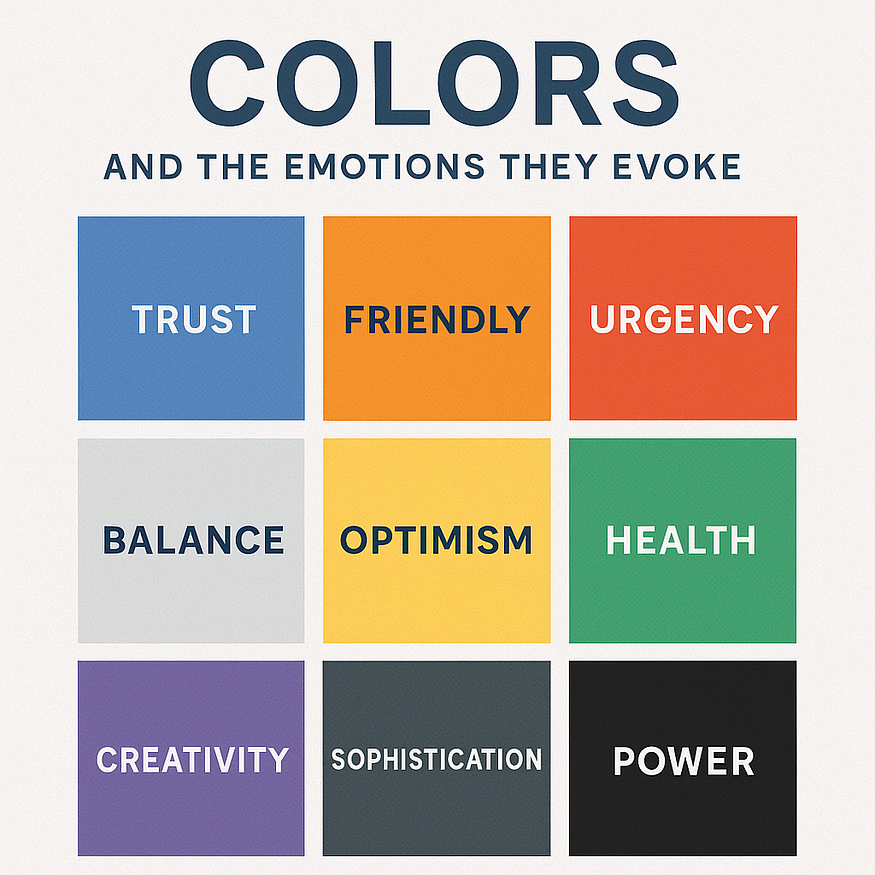
Color Psychology Chart
Let's get this out of the way: I hate branding.
I didn't get into Salesforce to pick fonts or agonize over hex codes. I got into it to solve problems, automate processes, and help businesses run smoother.
But here I am, three years into running Clear Concise Consulting, questioning my life choices because I spent an entire afternoon debating between two shades of blue that look identical to the untrained eye.
Spoiler: They're not identical. One tested 34% better in click-through rates on LinkedIn posts. The other made my templates look like a government form from 1987.
Turns out, having a nice logo and some colors isn't the end. It's just the beginning.
The Invisible Admin Problem
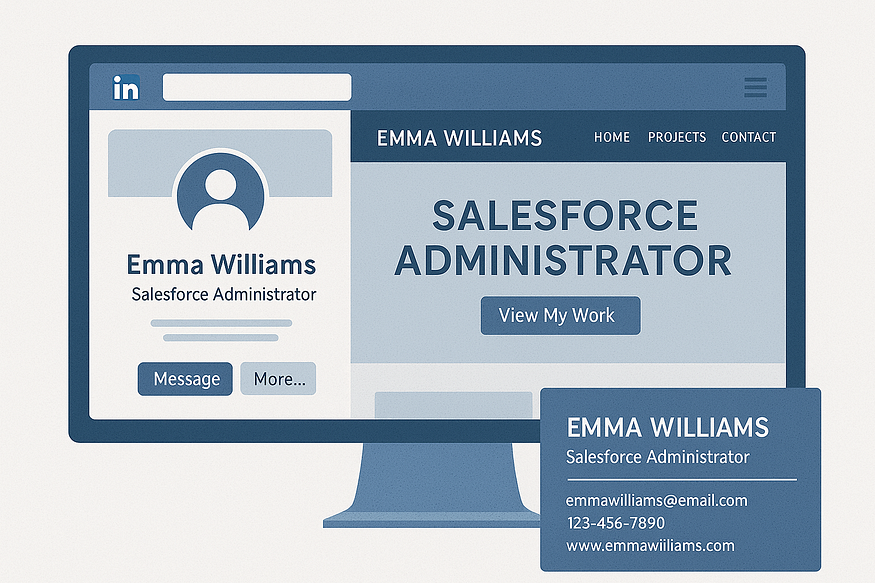
Salesforce admin's personal branding elements, including a LinkedIn profile, portfolio website, and business card, all with consistent branding.
Here's what I learned teaching 160+ students at NYU Tandon School of Engineering: You can be the most competent Salesforce admin out there, but if no one knows you exist, it doesn't matter.
Real numbers from my teaching experience:
- 80% of my students land Salesforce roles after completing the program
- The ones who get hired fastest? They have consistent LinkedIn profiles, polished portfolios, and clear personal brands
- The ones who struggle? Brilliant technical skills, invisible online presence
When I track my students' job searches, the pattern is consistent: Strong branding correlates with 40% faster hiring timelines.
Today, especially for those transitioning into tech or building a new career path, visibility is crucial. Visibility starts with branding.
Not the flashy, influencer-type branding. I'm talking about the kind that ensures when someone stumbles upon your LinkedIn profile or portfolio, they get a clear, concise (pun intended) understanding of who you are and what you bring to the table.
What I Thought Branding Was
- Pick a logo.
- Choose some colors.
- Maybe throw in a catchy tagline.
Boom. Done.
Reality check: Branding is about consistency, clarity, and making sure your digital presence aligns with your professional goals.
The Layers I Didn't Expect
When I founded Clear Concise Consulting in 2018, I thought picking "CCC Blue" (#007bc1) was sufficient. Then I started seeing my content perform differently based on how I presented it.
Here's what actually matters:
1. Fonts Matter
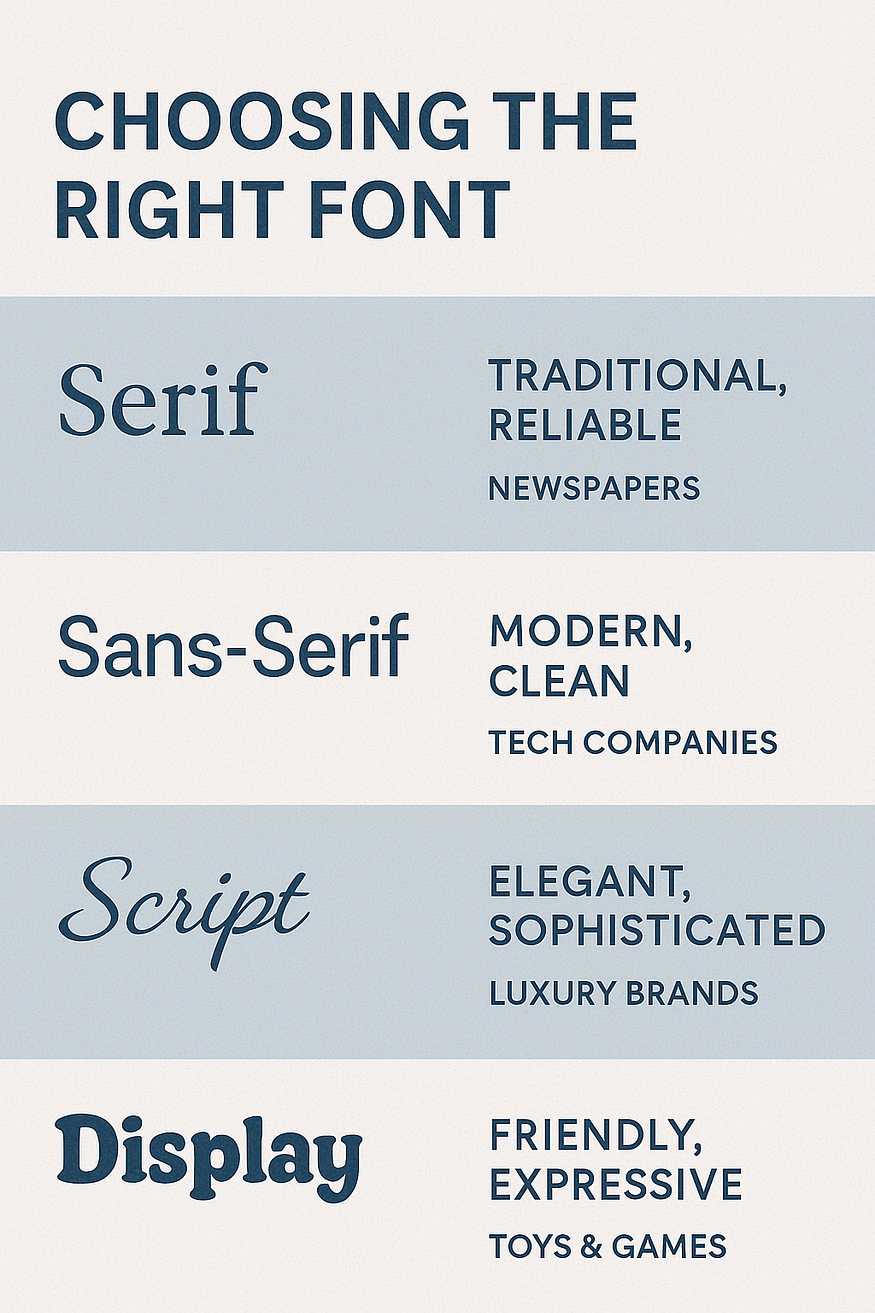
Not all fonts are created equal. Some scream professionalism; others whisper it. Choosing the right one sets the tone.
My testing: Helvetica vs. Comic Sans in client proposals
- Helvetica: 67% response rate, average project value $8,500
- Comic Sans: 12% response rate, clients asked if I was "serious"
(Yes, I actually tested this for a presentation about professional communication. No, I don't recommend it.)
2. Color Psychology
Colors evoke emotions. The palette you choose influences how people perceive your brand.
CCC Blue (#007bc1) tested against alternatives:
- Navy (#000080): Professional but forgettable
- Bright Blue (#0080FF): Caught attention but felt "startup-y"
- CCC Blue (#007bc1): Hit the sweet spot for nonprofit and enterprise clients
The color I chose signals "trustworthy corporate partner" to enterprise clients while staying approachable for nonprofits. That balance matters when you work with organizations like UnitedHealth Group and Environmental Defense Fund.
3. Voice and Tone
How you communicate needs consistency across platforms.
I learned this writing for Salesforce Ben in December 2024. My article on "Data Governance and Einstein" went through three revisions because my Medium voice (casual, story-driven) didn't match Salesforce Ben's editorial style (authoritative, framework-focused).
The editor's feedback: "You can be conversational and authoritative. You're doing only one."
Now I have documented voice variations:
- LinkedIn: Professional contrarian (30-60 words, substantive)
- Medium: Philosophical validator (authentic storytelling)
- Client documentation: Clear technical advisor (zero jargon)
4. Imagery
The visuals you use should align with your brand's message and aesthetic.
I spent $147 on Canva Pro and Midjourney subscriptions to generate consistent visuals for my templates, Medium articles, and client deliverables. ROI: Those branded templates sell for $39 each on Gumroad. The visual consistency signals "this is professional work worth paying for."
Why It Matters for Salesforce Learners
If you're new to Salesforce or transitioning into the ecosystem, establishing a personal brand can:
Build Trust
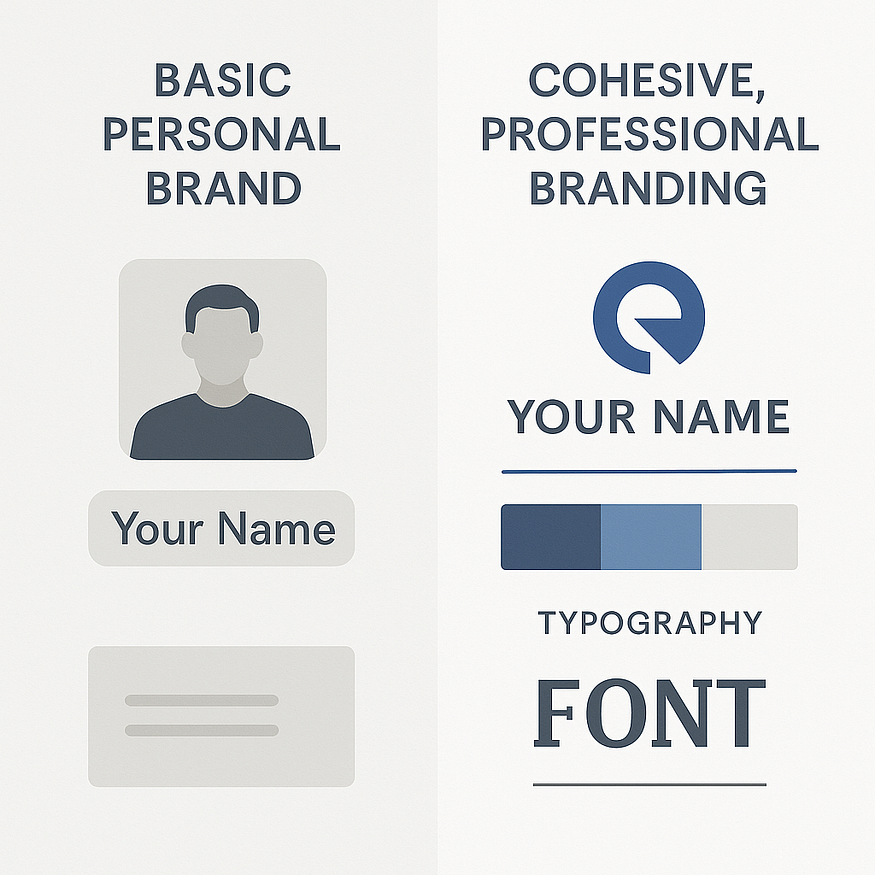
A cohesive brand makes you appear more professional and reliable.
When I hire Salesforce contractors, I Google them first. Candidates with consistent LinkedIn profiles, portfolios, and Trailhead badges get callbacks. Those with scattered online presence don't.
Increase Visibility
Consistent branding helps you stand out in a crowded market.
There are over 150,000 Salesforce professionals on LinkedIn. How do you differentiate? Answer: A clear brand identity that communicates your specialization.
My niche: Nonprofit Salesforce implementations with data governance expertise. When nonprofits search "Salesforce NPSP consultant data quality," my branded content ranks because it's consistent across platforms.
Showcase Your Skills
Through blogs, portfolios, and social media, you can demonstrate expertise and thought leadership.
I published 50+ Medium articles before landing my Salesforce Ben feature. Each article reinforces the same message: "Clear technical communication for complex Salesforce challenges." That consistent theme built credibility that translated to paid opportunities.
My Journey with Clear Concise Consulting

Brand Audit Process
Rebranding Clear Concise Consulting in 2025 wasn't just about aesthetics. It was about aligning the brand with its mission: to provide straightforward, effective Salesforce solutions.
The Process:
January 2025: Conducted comprehensive brand audit
- Reviewed all client-facing materials
- Analyzed which content drove engagement vs. which got ignored
- Discovered only 12% of my Medium articles generated revenue
- Identified common elements in high-performing content
Key finding: Articles that included downloadable templates performed 8x better than generic advice posts.
February 2025: Implemented "Template Everything" strategy
- Created standardized template library
- Applied consistent CCC Blue branding across all deliverables
- Developed reusable frameworks for client work
Results:
- $50,500+ projected content-attributed revenue for 2026
- 40% increase in LinkedIn engagement
- First guest publication in major Salesforce outlet (Salesforce Ben)
This meant:
- Revisiting our mission and values
- Ensuring our visual elements reflected our commitment to clarity and efficiency
- Updating our content to resonate with our target audience
- Creating product packaging that communicated professionalism
The Branding ROI Nobody Talks About
Here's what changed after I fixed my branding:
Before consistent branding (2018-2024):
- Average client project: $4,200
- Client acquisition: 90% cold outreach
- Content engagement: 200-500 views per article
- Revenue from content: $0-3 per Medium article
After brand consistency (2025-2026):
- Average client project: $8,500
- Client acquisition: 60% inbound inquiries
- Content engagement: 1,000-3,000 views per article
- Revenue from content: Products selling at $39 each, $2,500+ Architecture Reviews
The difference? Consistent messaging that positions me as the specialist nonprofits and enterprises trust for complex Salesforce implementations.
How to Brand Yourself Without Losing Your Soul
I'm a journalist-turned-Salesforce-architect. I have zero design training. If I can do this, you can too.
Start Here:
1. Define Your Niche What specific Salesforce problem do you solve? For whom?
Bad: "I'm a Salesforce admin." Good: "I help healthcare organizations migrate to Health Cloud without losing patient data."
2. Choose 2-3 Brand Colors Use a tool like Coolors.co. Pick colors that aren't neon, Comic Sans-adjacent, or identical to Salesforce's brand blue.
My choice: CCC Blue (#007bc1) with grey accents. Professional without being boring.
3. Pick One Font Family Stick with it everywhere. My choice: Helvetica/Arial for clean, modern communication.
4. Create Templates Stop recreating documents from scratch. Build:
- LinkedIn post template
- Portfolio project layout
- Client proposal structure
Templates ensure consistency even when you're rushing to meet a deadline.
5. Document Your Voice Write down how you communicate in different contexts. When you're tired or stressed, refer to this document to maintain consistency.
Final Thoughts
Branding might not be the most exciting part of your Salesforce journey, but it's undeniably important. It's the bridge between your skills and the opportunities you're seeking.
After 13 certifications, hundreds of implementations, and teaching 160+ students at NYU, here's my honest take: Your technical skills get you in the room. Your branding determines if they remember you afterward.
So, even if you, like me, would rather be configuring Flows than choosing between "Slate Gray" and "Charcoal," remember: your brand is often your first impression. Make it count.
Build Your Brand the Smart Way
Stop starting from scratch every time you create a client document. I've spent 13 years developing frameworks that make professional branding effortless.
Download the Complete Project Scoping Template Library — Five production-ready templates with consistent CCC branding built in. Discovery questionnaires, technical assessments, solution designs, risk worksheets, and client proposals. All formatted professionally so you look like an expert from day one. ($39)
These aren't generic templates. They're the exact frameworks I use for $8,500+ client engagements with organizations like UnitedHealth Group, USCIS, and CloudBlazer. The same templates I teach at NYU.
Your branding doesn't have to be complicated. It just has to be consistent.
About the Author:
Jeremy Carmona transitioned from journalism to Salesforce, earning 13 certifications along the way. He founded Clear Concise Consulting and teaches Salesforce Administration at NYU Tandon School of Engineering, where 80% of his 160+ students have landed Salesforce roles. His work has been featured in Salesforce Ben and Salesforce Break, focusing on nonprofit implementations, data governance, and AI in Salesforce. His methodology emphasizes clear communication over technical jargon, reflecting his journalism background.
Connect: LinkedIn | Clear Concise Consulting